A New Era of Admissions at Vanderbilt
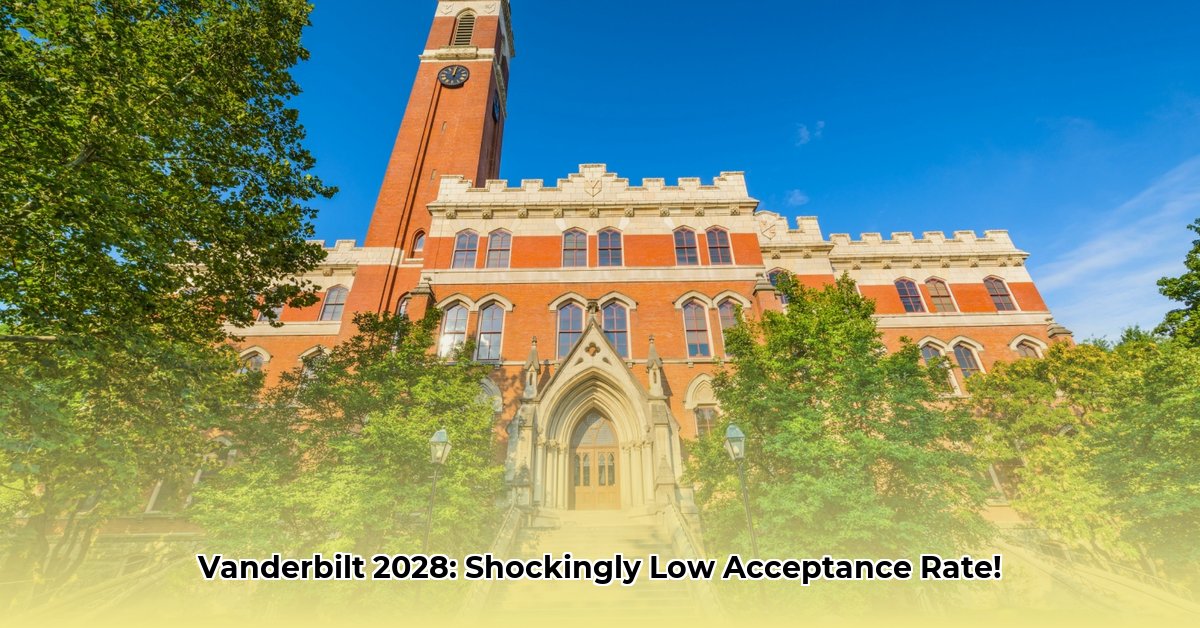
Vanderbilt University's Class of 2028 reflects a dramatic shift in its admissions landscape, marked by a record-low acceptance rate and heightened selectivity. The regular decision acceptance rate plummeted to a mere 3.7%, a significant drop from previous years. This unprecedented competitiveness raises crucial questions about the evolving admissions process and its implications for prospective students.
The Impact of Increased Yield
A key factor contributing to the lower acceptance rate is a substantial increase in Vanderbilt's yield rate—the percentage of accepted students who enroll. This positive development for the university, ensuring a full and vibrant student body, simultaneously intensifies competition for prospective applicants. With more accepted students choosing Vanderbilt, fewer spots are available for subsequent applicants. The overall acceptance rate, including those from the waitlist, was approximately 5.1% (final numbers are pending), however, the regular decision data clearly indicates a far more selective environment. While approximately 165 fewer students applied through regular decision compared to the Class of 2027, the number of accepted students declined proportionately more, drastically shifting the acceptance rate. This dramatic change underscores the growing competition for entry to Vanderbilt.
An Exceptional Incoming Class
The Class of 2028 boasts exceptional academic credentials. The admitted students represent a remarkably high-achieving cohort, with stellar average SAT and ACT scores, and a remarkable 90.8% hailing from the top 10% of their high school graduating classes. This impressive caliber of student reflects Vanderbilt's consistently high standards and enduring appeal.
However, the complete picture remains incomplete due to the pending release of the final waitlist acceptance data. Traditionally, approximately 8-10% of the incoming class is populated by students accepted from the waitlist, which will affect the final overall acceptance rate. Therefore, any definitive conclusions regarding the overall acceptance rate must await the release of these final statistics.
The Supreme Court Decision and its Unfolding Impact
The Supreme Court's decision to end race-conscious affirmative action in college admissions adds another significant layer to the complexities of Vanderbilt's admissions process. While the university has reiterated its steadfast commitment to diversity and inclusion, the long-term effects of this ruling on its admissions practices remain to be seen. While adjustments to programs like the MOSAIC weekend (designed to support admitted diverse students) might signal evolving strategies, a comprehensive understanding of the impact will require further observation and analysis. The implications of this landmark decision for Vanderbilt's admissions strategies and future student body composition will undoubtedly be a subject of ongoing discussion and evaluation.
Implications Across Stakeholders
The increased yield rate at Vanderbilt has far-reaching consequences for various stakeholders:
| Stakeholder | Short-Term Impact | Long-Term Impact |
|---|---|---|
| Prospective Students | Significantly increased competition for admission | Necessity for stronger, more compelling applications that clearly showcase unique skills and experiences |
| Vanderbilt Admissions | Need for reassessment of admissions strategies | Continuous adjustments to maintain diversity goals while adhering to legal mandates |
| Current Students | Increased campus conversations about admissions fairness | Fostering a more inclusive and welcoming campus environment |
| Higher Education Field | Greater scrutiny of yield rates and admissions policies | Research into methods for balancing selectivity and inclusivity in higher education |
The heightened yield rate, while advantageous for Vanderbilt's enrollment, presents both challenges and opportunities. It serves as a stark reminder to prospective students of the intensifying competition and underscores the vital importance of meticulously crafted applications. The situation calls for a careful examination of admissions practices across higher education institutions and signals ongoing adjustments to navigate the evolving landscape.
Navigating Vanderbilt's Waitlist: Strategies for Success
Vanderbilt University's highly competitive admissions process extends to its waitlist, with an average acceptance rate of approximately 11% over the past five years. However, taking proactive steps can significantly enhance your chances.
Understanding the Dynamics of the Waitlist
The waitlist is a highly selective stage, demanding sustained effort and strategic engagement. The number of waitlisted students and the resulting number of acceptances vary annually, influenced by factors such as the overall applicant pool's strength and the availability of spaces after initial admissions offers. Offers from the waitlist are typically made on a rolling basis, commencing in May and continuing until all available spots are filled.
Strategies to Increase Your Chances
Success on the Vanderbilt waitlist demands more than passive waiting; active engagement is essential. Consider these strategies:
Reaffirm Your Interest: Convey your continued enthusiasm by highlighting specific aspects of Vanderbilt that resonate with your aspirations. This must go beyond simply restating your initial application.
Showcase New Achievements: Highlight any significant accomplishments since submitting your application, demonstrating your continued growth and development.
Maintain Professional Communication: Respond promptly and professionally to all communication from Vanderbilt's admissions office.
Develop a Comprehensive Backup Plan: Having a strong backup plan is crucial, mitigating potential disappointment and ensuring a smooth transition to your next preferred option.
Vanderbilt's Holistic Review Process
Vanderbilt's holistic approach to reviewing applications is multi-faceted, looking far beyond just academic performance. The admissions committee seeks students capable of thriving academically and making meaningful contributions to the university's intellectual and social environment.
A Step-by-Step Guide to Maximizing Your Waitlist Potential
- Self-Assessment: Analyze your initial application, identifying areas for improvement and opportunities to present additional achievements.
- Craft a Compelling Supplemental Letter: Showcase your undiminished interest, focusing on significant developments since your application submission.
- Prioritize Prompt and Professional Communication: Respond promptly to all communications from Vanderbilt, maintaining a formal and courteous tone.
- Secure Alternative Options: Having alternative university choices is integral to your overall plan and reduces stress should you not receive an offer from the waitlist.
While the Vanderbilt waitlist presents a challenging scenario, proactive engagement and a well-considered approach significantly improve your prospects of joining its community. Remember, maintaining a realistic outlook and exploring alternative options remains crucial.